
NARPHU VALLEY TREK
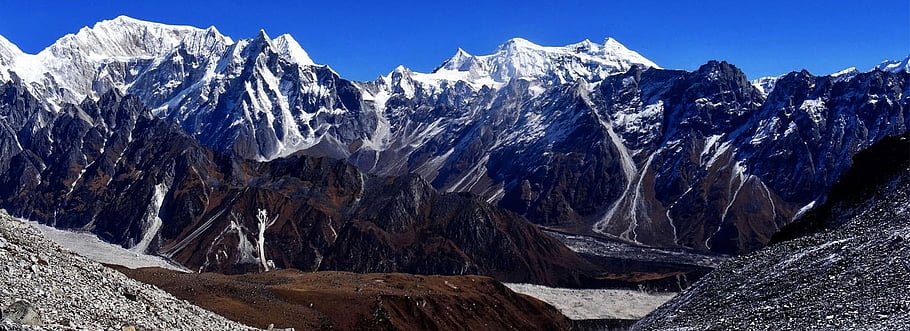
Discover the Nar Phu Valley
Journey into a remote Himalayan world of dramatic peaks, ancient settlements and unforgettable mountain landscapes.

A Valley of Living Heritage
Explore traditional Himalayan village life and the striking landscapes that make Nar Phu such a distinctive trekking destination.

Beyond the Ordinary
Follow rugged mountain corridors into a quieter side of the Annapurna region, where every turn reveals a new perspective.

Into the High Himalaya
Experience expansive mountain views and the raw beauty of one of Nepal’s most remote trekking regions.

Welcome to Phu Village
Discover the remote atmosphere, mountain scenery and cultural character of Phu on an unforgettable Nepal adventure.
AEON ADVENTURE NEPAL PVT. LTD.
Nar Phu Valley Trek
Discover Nepal’s Hidden Himalayan Wilderness
Journey beyond the ordinary — into the remote valleys of Nar and Phu.
About This Trek
A journey into Nepal’s remote Himalayan heritage
The Nar Phu Valley Trek is an extraordinary Himalayan adventure that takes you deep into one of Nepal’s most remote, culturally rich, and less-explored mountain regions. Located in the Manang District of north-central Nepal, this remarkable journey reveals a different side of the Himalayas, where Tibetan-influenced villages, dramatic rock formations, narrow gorges, high alpine landscapes, and spectacular mountain panoramas create an unforgettable trekking experience.
Away from the busier trekking trails, the Nar Phu region offers a rare opportunity to experience traditional Himalayan life in a landscape shaped by centuries of isolation and cultural heritage. The journey explores the distinctive settlements of Phu and Nar, where traditional stone houses, Buddhist monasteries, prayer flags, mani walls, and age-old customs reflect the deep cultural roots of the region.
For trekkers seeking more than mountain views, Nar Phu offers a chance to discover the relationship between people, culture, and the high Himalayas. The trek combines remote wilderness, cultural exploration, challenging mountain trails, and a strong sense of discovery.
Location & Himalayan Geography
Deep valleys, rugged cliffs and high alpine terrain
Nar Phu Valley lies in the northern part of the Manang District within Nepal’s Annapurna region. The trekking route commonly enters the remote valleys from the Koto area, following mountain paths through deep river gorges, rocky cliffs, forests, and increasingly open alpine terrain.
As the trail progresses, narrow valleys open into expansive mountain basins, traditional settlements appear among barren slopes, and towering Himalayan peaks form an impressive backdrop. The geography creates a striking contrast between greener lower trails and the dry, high-altitude landscapes closer to the Tibetan Plateau.
The Nar Phu area is part of the Annapurna Conservation Area and includes restricted trekking territory. Its remote location and special access requirements are important parts of planning a visit to this distinctive cultural and natural landscape.
Explore the Villages of Phu & Nar
Traditional settlements shaped by Himalayan life
The villages are the cultural heart of the Nar Phu experience. Their traditional architecture, spiritual landmarks and mountain setting offer a glimpse into communities whose daily lives have long been shaped by altitude, climate, local resources and regional traditions.
Phu Village
Set high above the valley floor, Phu is known for its traditional stone architecture, rugged surroundings and Buddhist heritage. Narrow village lanes, prayer flags, monasteries and dramatic cliffs create a strong sense of place far removed from modern urban life.
Phu is especially rewarding for travellers interested in Himalayan culture, traditional settlements and the quieter side of Nepal’s mountain heritage.
Nar Village
Surrounded by rugged slopes and open alpine landscapes, Nar preserves distinctive local customs, Buddhist traditions and a strong sense of community. Its stone-built homes and high-mountain setting reflect the realities of life in a remote Himalayan valley.
Visiting Nar offers opportunities to appreciate traditional architecture, local lifestyles and cultural practices passed down through generations.
Together, Nar and Phu make this trek much more than a mountain walk: they offer a meaningful encounter with the living cultural heritage of the Himalayas.
Want to Know More About This Trek?
Chat with us — real trekking experts, not bots.
Trek Highlights
What makes the Nar Phu Valley journey special
Discover a quieter side of the Annapurna region through remote valleys, traditional Himalayan settlements, dramatic landscapes and distinctive cultural heritage.
Remote Himalayan Valleys
Explore a less-visited trekking region away from Nepal’s busiest mountain trails.
Phu & Nar Villages
Discover traditional high-altitude settlements, stone-built homes and local cultural heritage.
Kang La Pass
Experience a demanding high-mountain crossing on routes linking Nar Phu with the wider Manang trekking network.
Dramatic Landscapes
Walk through deep gorges, rocky canyons, alpine terrain, barren slopes and expansive mountain valleys.
Himalayan Mountain Views
Enjoy changing panoramas of the Annapurna region and surrounding peaks, depending on route and visibility.
Buddhist Heritage
Encounter monasteries, prayer flags, mani walls and expressions of Himalayan Buddhist culture.
Traditional Mountain Life
Observe how local communities, seasonal activities and the high-altitude environment shape everyday life.
A Sense of Discovery
Experience a quieter, more remote side of Nepal that rewards curiosity and a spirit of adventure.
Adventure Beyond the Ordinary
Combine cultural exploration, rugged trails and high-mountain scenery in one distinctive journey.
Kang La Pass crossing depends on the final route, weather, snow conditions and the guide’s assessment. Confirm current conditions before departure.
We Offer Customized Tours
Chat with our travel experts and get a personalized itinerary tailored to your needs, interests, schedule, and travel style.
AEON ADVENTURE NEPAL · DAY-BY-DAY PLAN
Nar Phu Valley Trek — 13 Days
Explore the remote villages of Nar and Phu on AEON’s 13-day Himalayan journey. Select any day to open the full description, route details and practical notes. Transport arrangements depend on group size, availability and the confirmed package.
DAY 1Arrival in KathmanduApprox. 1,400 m · Arrival, transfer and trek preparation
Welcome to Kathmandu, Nepal’s lively capital and the starting point of your Nar Phu Valley adventure. On arrival at Tribhuvan International Airport, meet the AEON Adventure Nepal representative and transfer to your hotel.
Depending on your arrival time, you may have an opportunity to rest or take a short walk around the nearby neighbourhood. Your trip coordinator will review the plan for the coming days and help organise the documentation needed for the restricted Nar Phu region. Use the remaining time to settle in, check your trekking equipment and prepare for the journey into the Annapurna Himalaya.
DAY 2Kathmandu to Besisahar and DharapaniDharapani approx. 1,860 m · Road journey
After breakfast, leave Kathmandu and travel west along Nepal’s highway network towards Besisahar, the gateway to the Lamjung and Manang region. The journey passes river valleys, terraced hillsides, small settlements and changing rural landscapes.
Continue towards Dharapani according to the available road and vehicle conditions. This is primarily a travel day, and the final duration can vary with traffic, roadworks and seasonal conditions. On arrival, settle into the local accommodation and prepare for the route towards Koto and the Nar Phu side valley.
DAY 3Dharapani to KotoApprox. 2,600 m · Up to around 6 hours · Trekking
After breakfast, trek from Dharapani towards Koto along the established Annapurna Circuit corridor. The route passes mountain villages, forested slopes, river scenery and sections of the Marsyangdi Valley. Allow up to around six hours for the walk, depending on group pace, breaks and trail conditions.
Koto is the important gateway for entering the Nar Phu Valley, where the route leaves the main Annapurna Circuit and follows a more remote gorge. After arrival, rest, check equipment and documents with your guide, and review the plan for the restricted-area section ahead. Follow the guide’s instructions about local check-in and permit procedures before proceeding farther into the valley.
DAY 4Koto to MetaApprox. 3,560 m · Around 6–7 hours · Trekking
Begin trekking into the Nar Phu Valley through a dramatic gorge of forest, rock walls and mountain streams. The trail follows the river corridor, crossing bridges and winding through sections where the valley narrows between steep slopes.
As you gain elevation, the landscape gradually becomes more rugged and open. The route passes resting places and seasonal settlements before climbing towards Meta, a remote settlement on a broad shelf above the gorge. Arrive at the lodge, take time to recover and drink plenty of fluids as the altitude increases.
DAY 5Meta to Kyang and Phu VillagePhu approx. 4,080 m · Around 6–7 hours · Trekking
Leave Meta and continue deeper into the high valley. The trail passes through increasingly dry, rugged terrain, with changing views of rocky slopes and distant Himalayan peaks. Along the way, pass Kyang, where the remains of older settlements reflect the region’s long history of movement and trade.
Continue beside the Phu Khola towards Phu, one of the trek’s signature destinations. The village’s stone-built homes and traditional layout sit dramatically beneath the surrounding mountains, with Tashi Lhakhang Monastery above the settlement. After arrival, settle into the lodge and keep the evening relaxed to support acclimatisation.
DAY 6Acclimatisation and Exploration in PhuSleep at approx. 4,080 m · Optional higher walk
Spend a day in Phu to help your body adjust to the altitude before continuing through the remote valley. Rather than remaining inactive throughout the day, your guide may suggest a gentle walk to a suitable viewpoint or towards the Himlung area, depending on weather, trail conditions and how everyone is feeling.
There is also time to explore Phu’s traditional settlement and visit Tashi Lhakhang Monastery respectfully, subject to local access and customs. Keep the pace comfortable, return to sleep at Phu and report any headache, nausea, dizziness or unusual fatigue to your guide immediately.
DAY 7Phu to Nar PhediApprox. 3,490 m · Around 5–6 hours · Trekking
After leaving Phu, retrace part of the route through the valley and descend towards Nar Phedi. The trail follows the river corridor and passes bridges, rocky sections and forested stretches as the landscape gradually becomes greener at lower elevations.
Continue towards Nar Phedi Monastery, a quiet stop below Nar Village. This overnight stay offers a different atmosphere from the stone village settlements and provides a natural pause before the following day’s ascent to Nar. Respect the monastery’s routines and local guidance during your visit.
DAY 8Nar Phedi to Nar VillageApprox. 4,110 m · Around 3–4 hours · Trekking
Follow the ascending trail from Nar Phedi towards Nar Village. Although shorter than several previous trekking days, the climb gains elevation, so maintain a steady pace and take breaks whenever needed.
Nar is a traditional Himalayan village with stone houses, chortens and fields enclosed by stone walls. Take time to observe village life respectfully and enjoy the mountain setting. Your guide will review the plan for the Kang La crossing, including the expected early start and the importance of suitable weather and physical condition.
DAY 9Nar Village over Kang La Pass to NgawalKang La approx. 5,320 m · Around 8–9 hours · Long trekking day
Set out very early with your guide for the trek’s most demanding day. An early departure allows the group to make progress during the best available part of the day and gives more time for the long ascent and descent. The route climbs from Nar towards Kang La Pass, crossing high alpine terrain where snow, wind and visibility can affect progress. Move steadily, keep warm, take planned breaks and follow the guide’s instructions throughout the ascent.
From the pass, views may open towards the Annapurna range and the surrounding Himalayan landscape when conditions are clear. The descent continues towards Ngawal on the Annapurna Circuit side. This is a long and physically demanding day at high altitude, and the crossing should proceed only when the guide judges conditions and the group’s health suitable.
DAY 10Trek to Manang or Drive to ChameNgawal → Manang on foot, or private jeep to Chame
After completing the Kang La Pass crossing, continue from Ngawal towards the Manang area. Depending on the group’s preference and the day’s conditions, continue trekking to Manang or use a private jeep for the drive to Chame. The route offers views of the Annapurna landscape and traditional settlements as the journey moves towards the lower valley.
After the demanding Kang La crossing, choose the option agreed with the guide and local team: continue on foot to Manang or use a private jeep to Chame where road access and pickup arrangements allow. The selected overnight stop will determine the next day’s starting point.
DAY 11Drive from Manang/Chame to BesisaharPrivate jeep · Overnight in Besisahar
Begin the return journey from Manang or Chame towards Besisahar by private jeep, following the road route and access available on the day. The drive descends through mountain settlements and river valleys, with scenery changing from high Himalayan terrain to the lower hills.
Road conditions can be rough or disrupted, particularly after heavy rain or landslides, so the travel schedule should remain flexible. After reaching Besisahar, check in to the planned accommodation and rest before the drive to Kathmandu the following day.
DAY 12Drive from Besisahar to KathmanduApprox. 5–7 hours by road · Kathmandu approx. 1,400 m
After breakfast, check out and begin the drive from Besisahar to Kathmandu. The journey follows the highway corridor through river valleys, roadside towns, terraced hills and market settlements before approaching the Kathmandu Valley. Allow roughly 5–7 hours as a planning estimate; actual travel time may be longer or shorter depending on traffic, roadworks, weather and highway conditions.
Transport will be arranged according to the confirmed AEON package and group size: a private jeep/vehicle or sharing arrangement may be used where suitable. The driver may make practical stops for refreshments, toilets and lunch. Keep valuables and essential medication with you, and follow the guide or driver’s advice if there are delays or diversions. Avoid scheduling a tight onward flight or activity on this same day because road delays are possible.
On arrival in Kathmandu, transfer to the hotel arranged for the group, check in and rest after the road journey. If time and energy allow, the evening can be used for a relaxed dinner or final shopping, but this is optional and depends on arrival time. Day 12 is the return-drive day; Day 13 remains the planned departure day.
DAY 13Final Departure from KathmanduAirport transfer · End of the trek
Enjoy breakfast according to your flight schedule, then meet the AEON Adventure Nepal representative for your transfer to Tribhuvan International Airport. We recommend arriving at the airport with enough time for airline check-in and international departure procedures.
As you leave Nepal, take with you the memories of Nar and Phu’s traditional villages, the remote Himalayan valley and the challenging crossing of Kang La Pass. The AEON team will be pleased to assist with any final transfer arrangements that have been confirmed as part of your package.
Wants to Get Private Tour ?
Chat with us — real trekking experts, not bots.
Nar Phu Valley Trek
Know exactly what is covered in your trekking package and what you should budget for separately before your journey begins.
What’s Included
Essential services and arrangements covered by your AEON package.
- Airport Transfers: Private-vehicle pickup on arrival and drop-off at the end of your trip in Kathmandu, according to the confirmed itinerary.
- Kathmandu Accommodation: Two nights in a standard hotel in Kathmandu, including breakfast (B/B).
- Ground Transportation: Required road transportation for the itinerary, including private or shared jeep services arranged according to group size and confirmed travel arrangements.
- Experienced Trekking Guide: A trekking guide with the required qualifications, including guide salary, meals, accommodation, insurance, transport and necessary work equipment.
- Porter Service: Porter support at an approximate ratio of one porter for every two to three trekkers. Porter salary, meals, accommodation, insurance, transport and necessary work equipment are covered. Personal-luggage limits will be explained before departure.
- Trekking Meals: Breakfast, lunch and dinner during trekking days, as outlined in the itinerary, with tea or coffee at breakfast.
- Trekking Accommodation: Tea-house or lodge accommodation during the trek, generally on a twin-sharing basis and subject to availability along the route.
- Trekking Permits: Nar Phu Restricted-Area Permit, Annapurna Conservation Area Permit (ACAP) and TIMS, as applicable to the confirmed itinerary and current regulations.
- Sleeping Bag: A sleeping bag can be provided if required and must be returned to AEON after the trek.
- Basic First-Aid Kit: A basic first-aid kit carried for general trekking needs.
- Nepali Cultural Dinner: One farewell cultural dinner at a typical Nepali restaurant in Kathmandu.
- Government Taxes and Official Charges: Applicable government taxes and official charges related to the services included in the confirmed package.
What’s Not Included
Personal expenses and services outside the package inclusions listed here.
- International Flights and Visa: International airfare, Nepal entry visa fees and any related personal travel documents.
- Travel Insurance: Travel insurance is not included. You must arrange suitable cover for high-altitude trekking, medical treatment and emergency helicopter evacuation.
- Kathmandu Meals: Lunch and dinner in Kathmandu, except for the farewell cultural dinner specifically included above.
- Personal Food and Drinks: Snacks, bottled drinks, extra beverages and food or drinks outside the stated meal plan.
- Personal Expenses: Phone calls, laundry, personal shopping and other individual purchases.
- Chargeable Lodge Facilities: Hot showers, Wi-Fi, battery charging and other facilities for which lodges charge an additional fee.
- Personal Trekking Gear: Trekking clothes, boots, poles and other personal equipment, except for any item specifically stated as provided by AEON.
- Extra Accommodation: Additional hotel nights caused by early arrival, late departure, itinerary changes or unforeseen delays, unless agreed and confirmed as part of your package.
- Tips and Gratuities: Tips for the trekking guide, porters, drivers and other supporting staff.
- Unforeseen Additional Costs: Extra expenses arising from severe weather, road closures, delays, route changes or other circumstances beyond the planned itinerary, unless expressly covered by the confirmed package.
- Unlisted Services: Any service, fee or expense not specifically mentioned under “What’s Included.”
Are You Not Satisfied with this Itinerary?
Are you interested in planning a custom trip? Tell us your travel plans and we'll create a personalized itinerary based on your budget, interests, and schedule.
Trekking Difficulty & Fitness
Prepare for remote trails and high-altitude walking
The Nar Phu Valley Trek is best approached as a challenging high-altitude trek, especially when the chosen route includes Kang La Pass. The difficulty comes from a combination of long walking days, steep ascents and descents, uneven mountain trails, remote terrain, limited facilities and the effects of altitude.
The route is generally a trekking journey rather than a technical mountaineering expedition. However, conditions on rough or exposed trail sections can change, and snow or ice around the high pass may make the crossing more demanding. The exact level of difficulty depends on the final route, season, weather and each trekker’s experience.
Good fitness, preparation for consecutive walking days and a flexible approach to high-mountain conditions are strongly recommended. Previous trekking experience is beneficial, particularly for a route crossing Kang La Pass.
Physical Preparation
Build stamina with regular walking, uphill hikes, stair climbing and cardiovascular exercise. Practise walking on consecutive days before departure.
Trail Conditions
Expect uneven ground, rocky paths, steep sections and changing surfaces. Trekking poles and suitable broken-in footwear can help with balance and comfort.
Long Walking Days
Some days may involve sustained walking and significant elevation changes. Maintain a steady pace, take breaks and follow your guide’s advice.
High-Pass Crossing
Kang La Pass is a demanding part of crossing itineraries. Snow, ice, wind and visibility can affect safety, so the crossing depends on current conditions and the guide’s assessment.
TRAVEL SMART · TREK RESPONSIBLY
Altitude, Acclimatization & Safety
Nar Phu Valley is a remote, high-altitude trek. Give your body time to adjust, follow your guide’s advice and speak up early if you feel unwell.
Take altitude seriously
As the trail climbs, the air contains less available oxygen. Altitude-related illness can affect anyone, including fit and experienced trekkers.
Walk at a steady pace
Keep a comfortable pace, drink water regularly, eat well and allow enough time for rest and acclimatization. Avoid rushing to gain elevation.
Tell your guide early
Headache, nausea, dizziness, unusual tiredness or reduced appetite can be warning signs. Report symptoms promptly rather than hiding them or continuing silently.
Know when to descend
Worsening symptoms, confusion, difficulty walking or breathlessness while resting need urgent attention. Stop ascending, seek medical help and descend when advised.
Weather, trail conditions and individual health can change the plan. Follow your guide’s safety instructions and keep the itinerary flexible. This information is general guidance, not a medical assessment.
SEASONS · WEATHER · TRAIL CONDITIONS
Best Season for Nar Phu Valley Trek
Spring and autumn are generally the most suitable seasons for exploring Nar and Phu. Conditions can still change quickly in the mountains, especially at higher elevations.
March – May
Fresh mountain scenery, milder daytime conditions and longer daylight hours. Higher trails may still hold snow early in the season.
September – November
Often clear mountain views and generally favourable trekking conditions after the monsoon. Nights become colder as the season progresses.
December – February
Very cold conditions and snow may affect high passes, accommodation and access. Travel requires careful local assessment and suitable preparation.
June – August
Rain, cloud, landslides and slippery trails may disrupt travel and views. Conditions vary by location and should be checked before departure.
Choose dates with a licensed local operator and confirm current trail, weather and permit conditions before finalising your trek.
RESPECT · CULTURE · CONSERVATION
Responsible & Sustainable Trekking
Nar and Phu are remote Himalayan communities with distinctive cultural traditions and fragile mountain environments. Travel thoughtfully and help protect the places and people you visit.
Respect local culture
Ask before photographing people, homes or religious sites. Follow local customs at monasteries, chortens, mani walls and other sacred places.
Leave no trace
Carry out litter, minimise single-use plastics and use refill options where safe and available. Never leave rubbish along trails or near water sources.
Support local livelihoods
Use local lodges and services where possible, purchase local products respectfully and treat guides, porters and community members fairly.
Protect wildlife and trails
Keep a respectful distance from wildlife, stay on established paths and avoid disturbing plants, animals or fragile landscapes.
Small choices make a difference. Be considerate with water, fuel, noise and waste, and follow your guide’s advice on local etiquette and environmental protection.
ROUTE ACCESS · PERMITS · PRACTICAL DETAILS
Important Trip Information
Nar Phu is a restricted-area trek, so route planning and documentation should be arranged before departure with a registered trekking operator.
Route access
The trek commonly enters the Nar Phu region from the Koto area in Manang District. Road conditions and transfer times can vary by season.
Permits & documentation
Restricted Area Permit and conservation-area documentation may be required. Requirements, fees and application procedures can change, so confirm the current rules with your registered operator and the relevant Nepal authorities.
Guide & group arrangements
Restricted-area rules may require an appropriately licensed guide and an eligible group arrangement. Confirm the latest requirements before booking or travelling.
Transport & access conditions
Road access to the trailhead may be affected by weather, roadworks or local conditions. Allow flexibility for transfers and unexpected delays.
Accommodation & meals
Accommodation is generally in local teahouses or lodges, with facilities that become more basic in remote villages. Meal choices may be limited at higher and less-developed stops.
What to prepare
Bring layered clothing, sturdy trekking footwear, rain and wind protection, sun protection, a refillable water bottle and any personal medication. Your operator should provide a trek-specific packing list.
Confirm the final itinerary, permit requirements, inclusions, insurance coverage, weather outlook and emergency arrangements with AEON Adventure Nepal. Conditions and regulations can change.
Nar Phu Valley Trek
Day 01 · Kathmandu
Arrive in Kathmandu, meet the AEON team and prepare for the trek. Overnight in Kathmandu.
Trek Price Details
Nar Phu Valley Trek
Not booked your next holiday yet?
Let our travel experts help you plan an unforgettable trip. We know the Himalayas well and can help you choose the right places and experiences for your journey. We’ll make sure your trip fits your interests, schedule, and budget. If you’re ready for a beautiful adventure in the Himalayas, get in touch with us today.


