
UPPER MUSTANG TREK
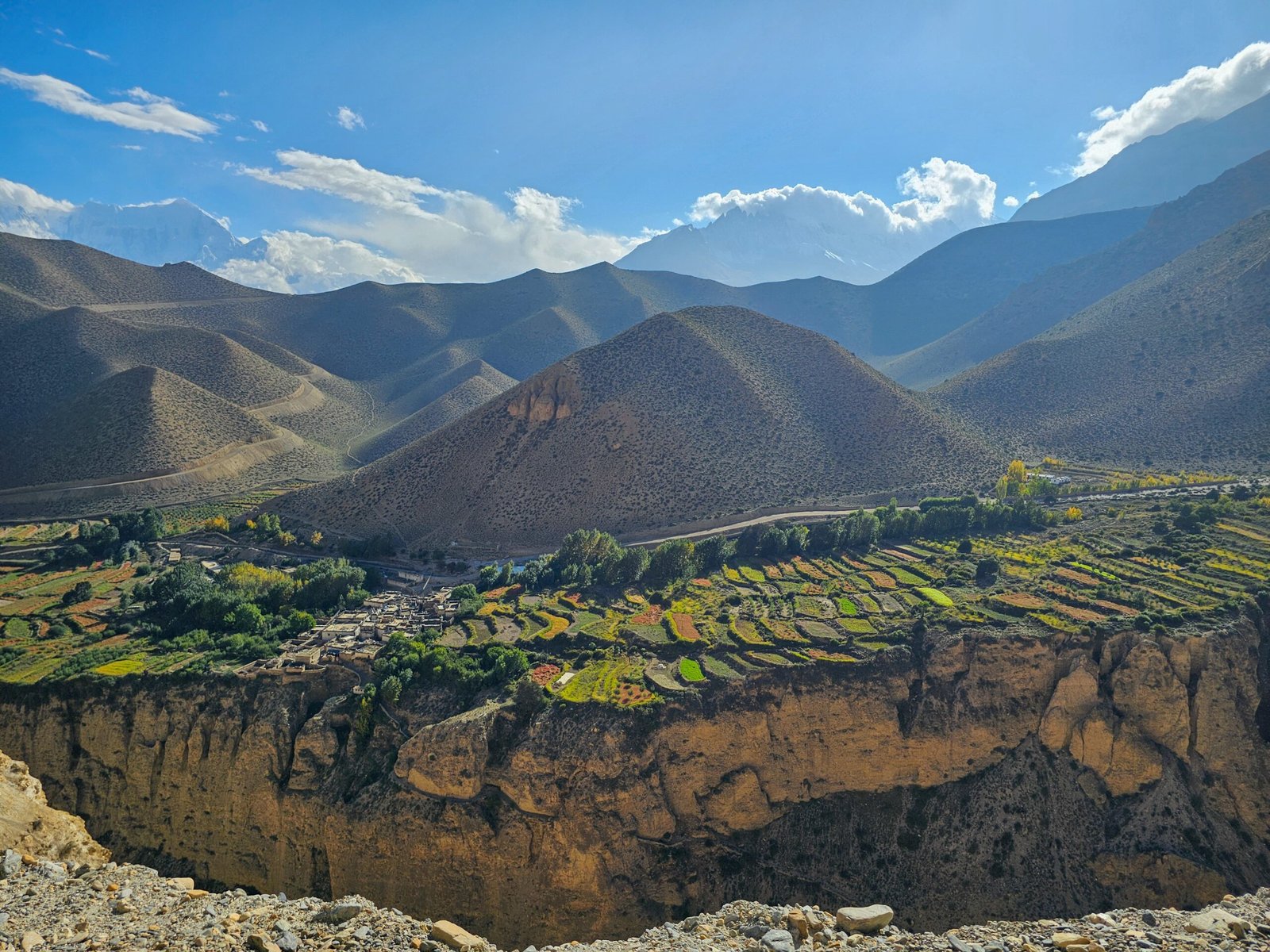
Where the Mountains Meet the High Desert
A dramatic landscape of ancient valleys, rugged mountains and traditional Himalayan settlements.

Villages Beneath the Red Cliffs
Traditional settlements sit dramatically beneath the sculpted cliffs of the Mustang high desert.

The Vast High Desert of Mustang
Layered mountains, open valleys and endless Himalayan skies create Mustang's unmistakable character.

Walk Through the Living Heritage of Mustang
Discover traditional architecture, narrow village lanes and a culture shaped by the Himalayan high desert.
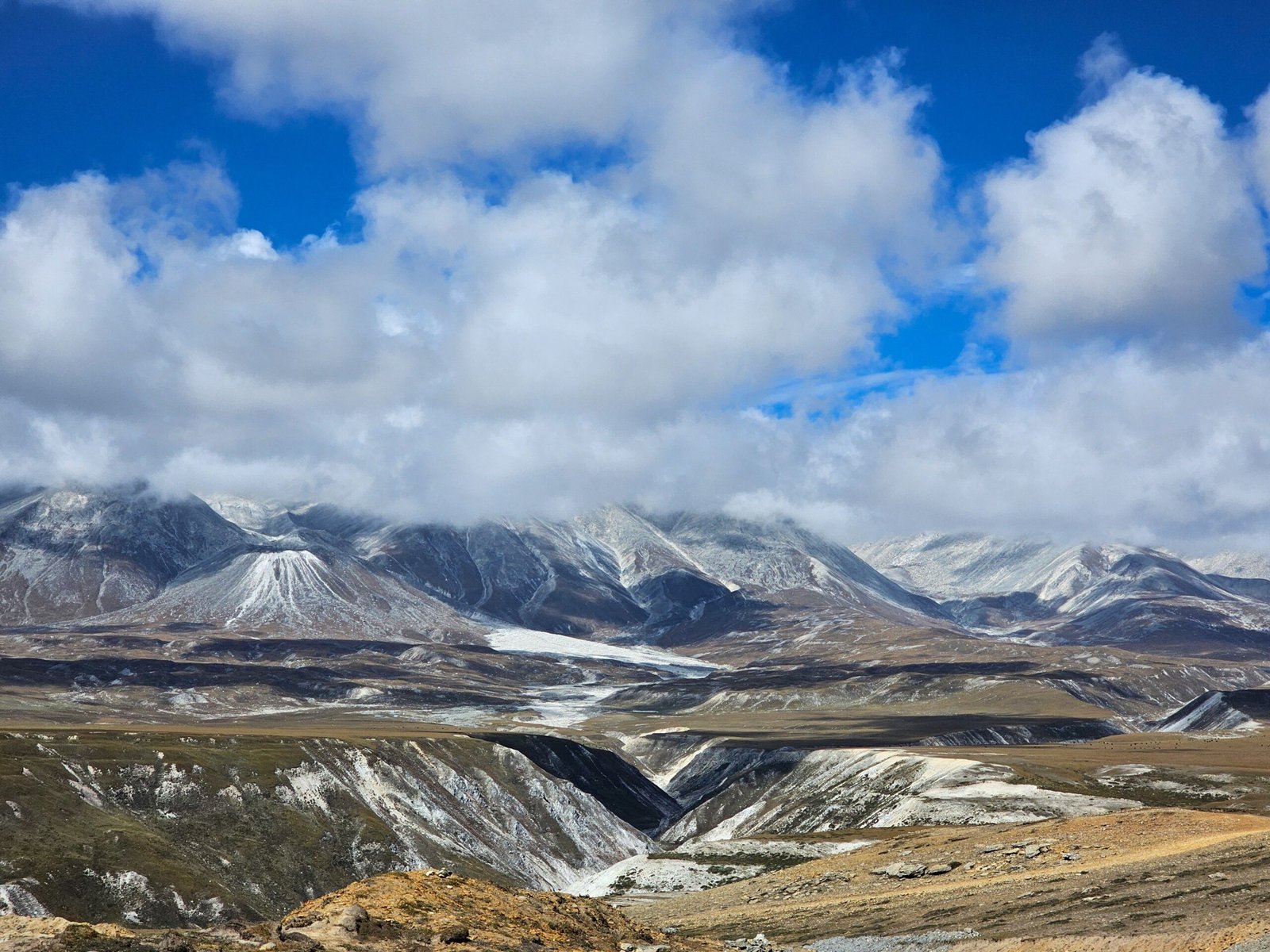
Snow-Capped Peaks Above the Mustang Desert
Snow-covered Himalayan peaks rise above the dry valleys and rugged terrain of northern Nepal.

Through the Rugged Valleys of Upper Mustang
Wind-carved cliffs and immense mountain valleys reveal the raw beauty of the Mustang landscape.
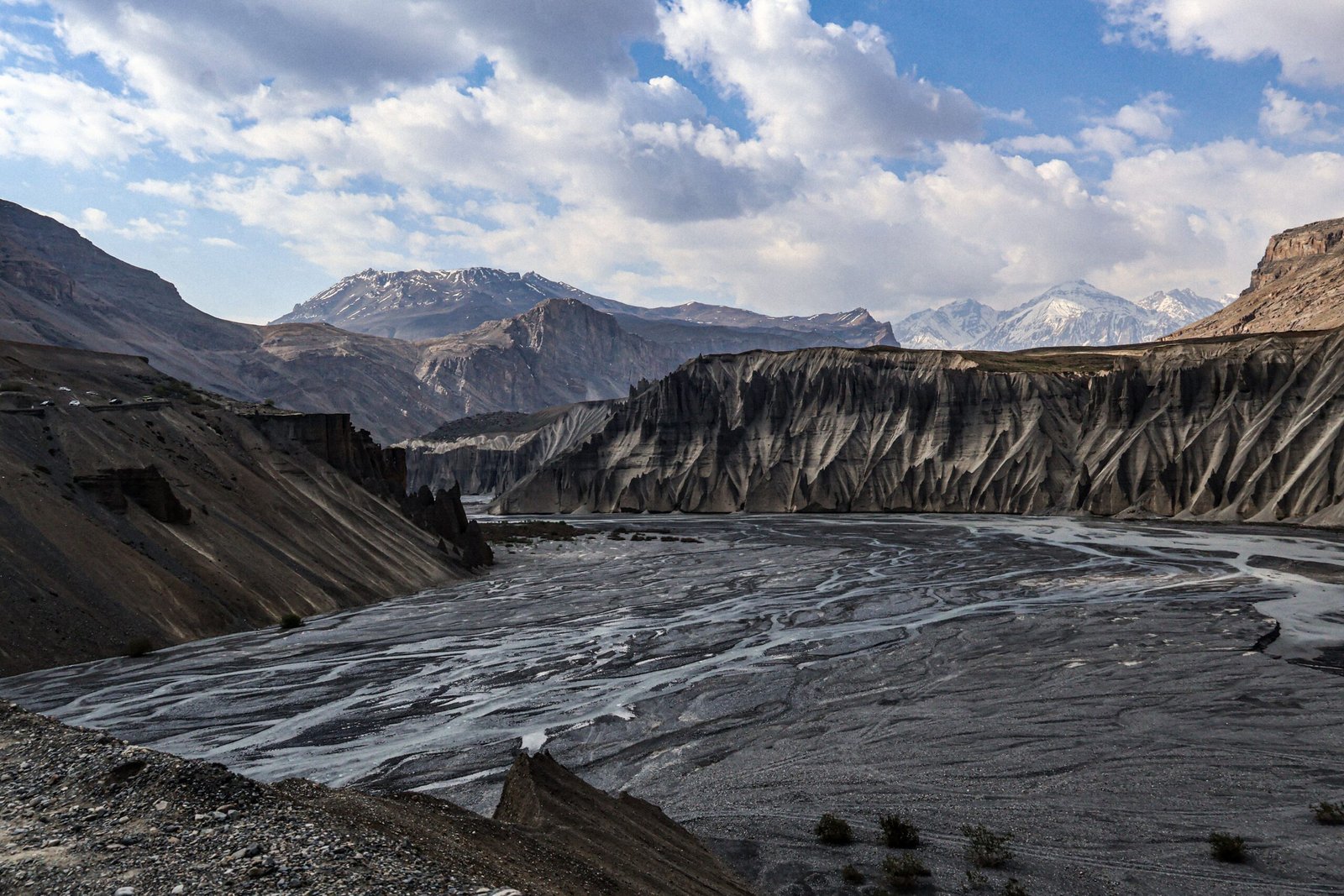
The Sculpted Valleys of Mustang
Deeply eroded cliffs and barren river valleys create one of Nepal's most distinctive trekking landscapes.
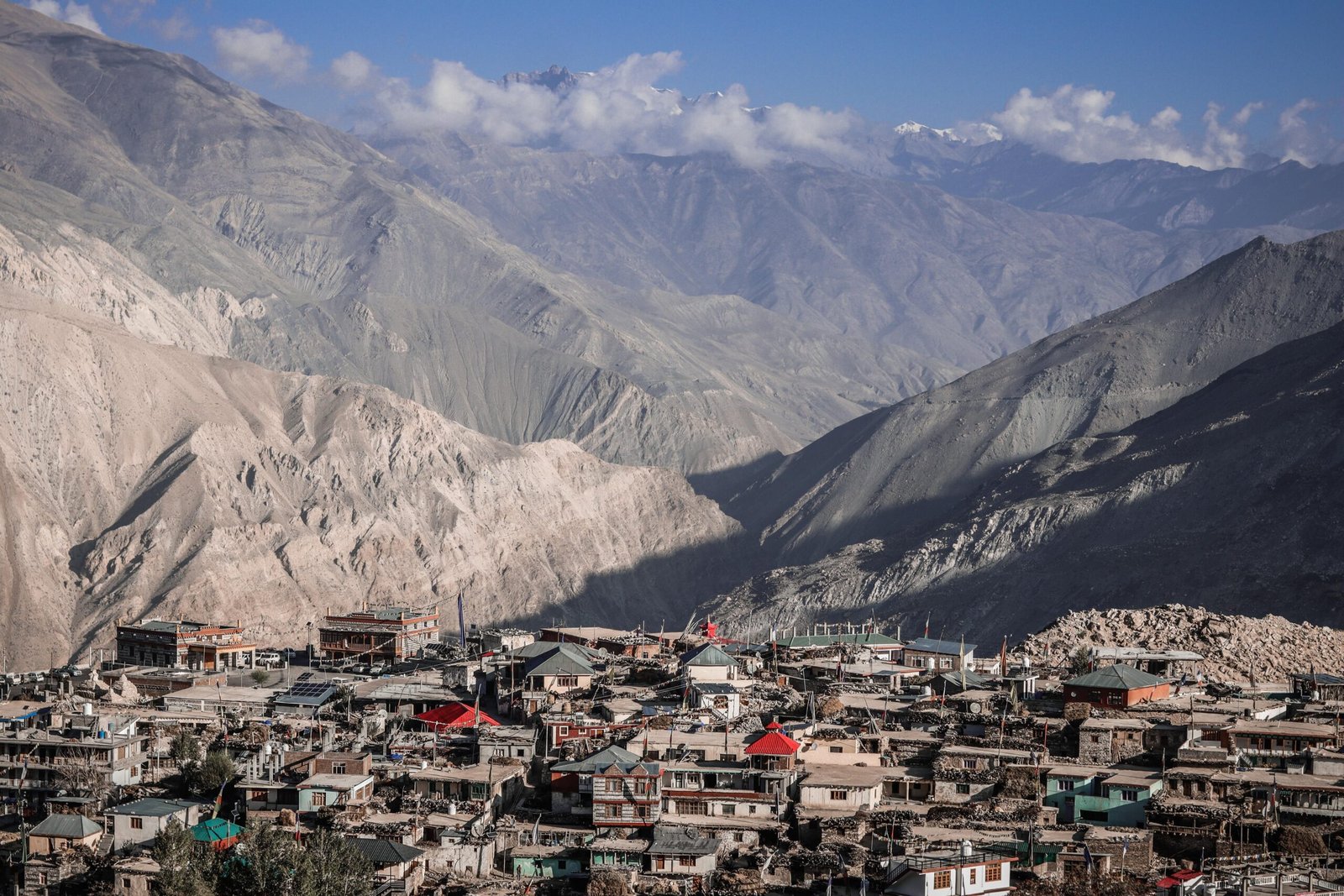
Golden Cliffs. Ancient Trails. Endless Horizons.
Experience the extraordinary colors, cliffs and open horizons that define the Upper Mustang journey.
UPPER MUSTANG — OVERVIEW
Upper Mustang is one of Nepal’s most extraordinary trans-Himalayan destinations, where dramatic high-desert landscapes, ancient settlements, Buddhist heritage, sacred pilgrimage sites and centuries-old trade routes come together. This 18 Days / 17 Nights journey follows the traditional route from Jomsom and Kagbeni toward the historic walled city of Lo Manthang before returning through the remote valleys of Mustang.
A Journey Through the Former Kingdom of Lo
The journey begins around the Kali Gandaki Valley, continuing through Kagbeni, Chele, Syangboche, Ghami and Tsarang before reaching Lo Manthang.
Historically known as the Kingdom of Lo, Upper Mustang remained a separate kingdom within Nepal until 1950. Its geographical isolation and restricted access helped preserve a distinctive landscape, architecture, traditions and Himalayan way of life. Upper Mustang was opened to non-Nepali trekkers in 1994, with the northern restricted area requiring a special permit.
Lo Manthang — The Ancient Walled Capital
At the heart of the journey lies Lo Manthang, the former capital of the Kingdom of Lo. The historic walled settlement dates back to the 15th century and stands at roughly 3,800 metres along the ancient Kali Gandaki trade corridor.
Its earthen walls, traditional houses, narrow lanes, chortens, mani walls and historic monasteries reveal a remarkable Himalayan cultural landscape. Jampa Lakhang and Thupchen Lakhang are associated with the 15th century, while Choede Lakhang dates to the 18th century.
Lo Manthang is included on UNESCO’s Tentative List for its cultural and architectural heritage.
Ancient Caves & Hidden Heritage
Mustang contains another extraordinary layer of history within its cliffs and valleys. Cave sites around Lo Manthang, including Luri and Tashi Kabum, preserve ancient murals, chortens and religious heritage.
These caves form part of the wider archaeological story of Mustang, where ancient settlement, trade and Buddhist traditions developed across generations.
A Living Himalayan Culture
Upper Mustang is not simply a landscape to pass through — it is a living cultural region.
The Loba communities maintain traditions closely connected with the Tibetan cultural world, while Sakyapa traditions of Tibetan Buddhism remain deeply woven into monasteries, rituals, festivals and everyday life.
Traditional stone-and-mud houses, prayer walls, chortens, monasteries and narrow village lanes continue to reflect the character of the old Himalayan kingdom.
The High-Desert Landscape
Situated in the rain shadow of the Annapurna and Dhaulagiri ranges, Upper Mustang has a landscape unlike most of Nepal.
Deeply eroded cliffs, dry river valleys, layered mountains and dramatic rock formations create the unmistakable high-desert character of Mustang.
The journey moves through Kagbeni → Chele → Syangboche → Ghami → Tsarang → Lo Manthang, then continues through Yara → Tangbe → Tetang → Muktinath → Jomsom.
Sacred Shaligram of the Kali Gandaki
The Kali Gandaki River is revered for its sacred Shaligram stones — naturally formed fossils traditionally regarded by Hindus as sacred manifestations of Lord Vishnu.
Found along the riverbed, these distinctive stones add an important spiritual dimension to the ancient Kali Gandaki landscape and the pilgrimage journey toward Muktinath.
More Than a Trek
Upper Mustang brings together ancient history, Tibetan Buddhist heritage, remote villages, high-desert landscapes, ancient caves, traditional architecture, the Kali Gandaki trade route and living Himalayan culture.
It is a journey where the trail itself becomes part of the story — connecting landscapes, communities, spirituality and heritage preserved for generations.
Upper Mustang is not only about reaching Lo Manthang. It is about travelling through a landscape shaped by history, faith, trade and isolation — and experiencing one of Nepal’s most distinctive cultural regions.
WHERE EVERY JOURNEY BECOMES A STORY
DREAM · EXPLORE · DISCOVER.
Want to Know More About This Trek?
Chat with us — real trekking experts, not bots.
Discover the Highlights of Upper Mustang
From the ancient Kingdom of Lo and the walled city of Lo Manthang to sacred pilgrimage sites, hidden caves, remote villages and dramatic high-desert landscapes — every stage of the journey reveals another side of Mustang.
Former Kingdom of Lo
Step into the historic land of the former Kingdom of Lo, where centuries of Himalayan isolation, trade and cultural traditions have shaped the unique identity of Upper Mustang.
Ancient Walled City of Lo Manthang
Explore the remarkable walled city of Lo Manthang, the former capital of Lo, with its earthen walls, traditional houses, narrow lanes and centuries-old cultural heritage.
Historic Buddhist Monasteries
Discover Jampa, Thupchen and Choede Lakhang, where ancient architecture and living Sakyapa Buddhist traditions continue to define the spiritual heart of Lo Manthang.
Ancient Caves & Hidden Heritage
Explore the mysterious cave heritage of Mustang, including remarkable sites around Luri, Tashi Kabum and the wider Mustang region, where ancient murals, chortens and religious remains reveal layers of Himalayan history.
Loba Culture & Tibetan Buddhist Traditions
Experience the distinctive culture of the Loba people, reflected through traditional homes, monasteries, prayer walls, festivals, rituals and a deep connection with the Tibetan Himalayan world.
Kali Gandaki Valley & Ancient Trade Route
Follow the historic Kali Gandaki corridor, an ancient Himalayan route that connected communities and trading worlds across the mountains and helped shape Mustang’s cultural identity.
Sacred Shaligram & Muktinath
Encounter the sacred Shaligram stones of the Kali Gandaki and continue toward Muktinath, one of the Himalayas’ most important pilgrimage destinations for both Hindu and Buddhist traditions.
Kagbeni — Gateway to Upper Mustang
Begin the journey through Kagbeni, the historic settlement at the entrance to Upper Mustang, where the landscape and cultural character gradually transition toward the high desert of the former Kingdom of Lo.
Red Cliffs, Canyons & High-Desert Landscapes
Walk through dramatic red and ochre cliffs, deeply carved valleys, dry riverbeds, wind-shaped formations and vast open horizons that give Mustang its unmistakable high-desert character.
Ghami & Tsarang Heritage
Discover the traditional villages of Ghami and Tsarang, known for their distinctive Himalayan architecture, Buddhist heritage, ancient structures and cultural landscapes.
Remote Villages of Yara, Tangbe & Tetang
Travel beyond the main settlements into quieter Mustang villages, where traditional architecture, cultivated pockets and remote mountain communities reveal another side of the region.
Annapurna, Dhaulagiri & Nilgiri Mountain Views
Enjoy changing Himalayan panoramas along the journey, with spectacular views toward the Annapurna, Dhaulagiri and Nilgiri ranges rising above the rugged Mustang terrain.
Tiji Festival & Living Cultural Traditions
When the journey coincides with the festival season, experience the vibrant Tiji tradition of Lo Manthang, alongside ancient rituals, ceremonies and cultural practices that continue to connect the community with its heritage.
Restricted-Region Experience & Special Permit
Travel through one of Nepal’s most distinctive restricted regions, where controlled access and special-permit requirements have helped preserve Upper Mustang’s unique cultural and environmental character.
History · Heritage · Culture · Adventure
Every trail, village and valley adds another chapter to a journey through one of Nepal’s most extraordinary Himalayan landscapes.
We Offer Customized Tours
Chat with our travel experts and get a personalized itinerary tailored to your needs, interests, schedule, and travel style.
Upper Mustang Trek
18 Days / 17 Nights through the former Kingdom of Lo — a journey across the trans-Himalayan high desert, ancient settlements, Buddhist heritage, hidden caves, remote valleys and the sacred landscape of Muktinath.
Upper Mustang is a restricted-region journey where trail conditions, weather, road access and Jomsom flight operations can influence the daily schedule. Walking hours, distances and some intermediate landmarks are approximate planning figures. The major overnight route remains 18 Days / 17 Nights, while AEON may adjust short trail sections or sightseeing order when required for safety, local access or operational conditions.
Your Upper Mustang journey begins in Kathmandu, Nepal's cultural and travel gateway to the Himalaya. AEON's team welcomes you at Tribhuvan International Airport, arranges the planned hotel transfer and introduces the guide and support team. The day is intentionally relaxed after international travel, allowing time for recovery, a clear briefing on the 18-day journey and preparation for a restricted-region adventure. Final checks cover travel documents, trekking baggage, equipment and the operational arrangements required before leaving the Kathmandu Valley.
AEON Arrival Support
- Airport pick-up
- Hotel transfer
- Initial trek briefing
- Introduction to the guide and support team
- Upper Mustang preparation guidance
- Guide and support-team introduction
- Initial safety and altitude briefing
Preparation Focus
- Travel documents
- Restricted-region arrangements
- Trekking baggage preparation
- Equipment review
- Rest before the journey begins
After breakfast, explore selected cultural landmarks of Kathmandu Valley with the guide before completing the final preparations for Upper Mustang. The day connects Nepal's wider Hindu and Buddhist heritage with the culturally preserved Himalayan world you are about to enter. The team completes final documentation, permit arrangements, baggage and equipment checks, reviews the flight and road plan, and discusses altitude, weather, responsible trekking and contingency procedures. This preparation is especially important because Upper Mustang is a controlled trekking region requiring special arrangements and permits.
Heritage Experience
- Selected Kathmandu Valley heritage sites
- Traditional architecture
- Hindu and Buddhist cultural traditions
- Introduction to Nepalese Himalayan culture
Upper Mustang Preparation
- Final document verification
- Restricted-area travel arrangements
- Equipment and baggage check
- Flight and transportation confirmation
- Responsible trekking briefing
- Altitude and weather awareness
- Flight contingency discussion
Leave Kathmandu and travel toward Pokhara, the principal gateway for the Annapurna and Mustang regions. The journey moves through Nepal's middle hills, terraced countryside, river valleys and traditional settlements before reaching the lakeside city. Pokhara is the transition point between the lower hills and the mountain flight into Jomsom. After arrival, use the evening to rest, organize trekking baggage and review the next morning's weather-sensitive flight into the Kali Gandaki corridor.
Journey Highlights
- Trishuli / middle-hill landscape
- Terraced countryside
- Traditional settlements
- Arrival in lakeside Pokhara
Preparation for Jomsom
- Confirm early-morning flight arrangements
- Prepare trekking baggage
- Review weather conditions
- Rest before entering higher terrain
Take the scenic mountain flight from Pokhara to Jomsom, then continue toward Kagbeni on foot. The landscape changes dramatically from greener lower valleys to the dry, rain-shadow environment of Mustang. Jomsom sits within the Kali Gandaki corridor, while Kagbeni forms the historic threshold toward Upper Mustang. Explore its traditional mud-and-stone architecture, narrow lanes, chortens and mani stones, and observe the meeting of the Kali Gandaki and Kag Khola valleys. This first high-desert stage introduces the geological, cultural and spiritual character that defines the journey north.
Kagbeni Heritage
- Historic gateway to Upper Mustang
- Kali Gandaki and Kag Khola confluence
- Traditional mud-and-stone architecture
- Chortens and mani stones
- Buddhist cultural landscape
- Kali Gandaki and Kag Khola confluence
- Historic threshold toward Upper Mustang
Landscape
- Nilgiri-region mountain views
- Dry river corridor
- Wind-shaped valley terrain
- First clear view of Mustang's rain-shadow character
The first full trekking day follows the dry Kali Gandaki corridor toward Chele and deeper into Upper Mustang. The trail passes through Tangbe and Chhusang, where whitewashed houses, cultivated fields, chortens, traditional lanes, red cliffs and eroded canyon walls reveal how communities have adapted to the rain-shadow environment. The route gradually gains altitude and becomes more distinctly trans-Himalayan. By Chele, the landscape has shifted from river-corridor settlement to exposed high-desert terrain, setting the tone for the days ahead.
Trail Highlights
- Tangbe traditional settlement
- Chhusang village
- Red and ochre canyon walls
- Kali Gandaki river landscape
- Traditional Mustang architecture
- Rain-shadow landscape
- Transition into restricted Upper Mustang
Trail Character
- Gradual altitude gain
- Dry and exposed terrain
- Rocky trail sections
- Afternoon wind may increase
- Guide-led pacing recommended
From Chele the trail climbs into increasingly rugged high-desert terrain toward Syangboche, passing through Samar and exposed ridges. Samar provides a striking contrast of cultivated land and dramatic cliffs, while the higher trail reveals wide views across the dry valleys of Upper Mustang. Intermediate cave, chorten and ridge stops vary according to the selected trail and local access. Dry air, wind and elevation make steady pacing, hydration and protection from the sun particularly important.
Highlights
- Samar village
- High ridges and open plateau
- Wind-carved cliffs
- Chortens and Buddhist heritage
- Remote Himalayan landscape
- Samar cultivated valley
- Exposed high-ridge views
Altitude Awareness
- Noticeable altitude gain
- Slow, steady pacing
- Hydration and rest important
- Weather can change quickly on exposed terrain
The trail climbs from Syangboche toward the Nyi La high-pass area before descending toward Ghami. From the exposed high terrain, the route opens into broad views of the high desert of Lo, deeply eroded cliffs and isolated settlements. The descent brings a stronger cultural presence: Ghami is known for its traditional village form, chortens, Buddhist heritage and long mani wall. The day combines a demanding mountain crossing with one of Mustang's most recognizable religious landscapes.
Ghami Heritage
- Historic Ghami settlement
- Long mani wall
- Chortens
- Buddhist cultural traditions
- Traditional village architecture
Trail Character
- High-altitude ascent
- Exposed ridge sections
- Long descent toward Ghami
- Strong wind possible
Continue from Ghami through dry valleys, mani walls and dramatic red-and-ochre cliff formations toward Tsarang. The trail crosses the Ghami Khola area, climbs toward Tsarang La and then descends into the historic settlement. Tsarang is an important cultural centre of Upper Mustang, with traditional houses, Buddhist heritage and historic fortified or palace-associated structures. The surrounding Charang Chu landscape and open high-desert horizons make this a visually rich section of the journey.
Tsarang Heritage
- Historic Tsarang settlement
- Buddhist monastery heritage
- Traditional houses and village lanes
- Historic palace / fortified architecture
- Charang Chu canyon landscape
Landscape
- Red and ochre cliffs
- Wind-carved valleys
- High-desert plateau
- Open Himalayan horizons
The journey reaches the historic heart of Upper Mustang as the trail leaves Tsarang and crosses the high plateau toward Lo Manthang. Depending on the selected trail and local access, the wider corridor may include Ghar Gumba / Lo Gekar heritage context. As the open landscape closes around the ancient settlement, the journey shifts from remote trekking scenery to the cultural landscape of the former Kingdom of Lo. Lo Manthang was the former capital of this Himalayan kingdom and remains one of the region's defining historic settlements.
Kingdom of Lo
- Former capital of the Kingdom of Lo
- Ancient Himalayan trading culture
- Loba cultural identity
- Strong Tibetan Buddhist influence
- Historic trans-Himalayan landscape
Heritage Context
- Ghar Gumba / Lo Gekar heritage corridor
- Ancient Buddhist traditions
- High-desert architecture
- Approach to the walled city
This is the cultural centrepiece of the journey. Explore the ancient earthen-walled city of Lo Manthang, its traditional lanes, chortens, mani walls and historic religious quarter, then continue to the Chhoser heritage area according to local access and the guide's route plan. Major heritage structures include Jampa Lakhang and Thupchen Lakhang, associated with the city's historic Buddhist tradition, and Choede Lakhang from a later period. Chhoser adds another dimension through cliff-side caves, ancient cave settlements and Buddhist heritage. The day is designed as an exploration rather than a long-distance trekking stage so the cultural landscape can be experienced properly.
Lo Manthang Heritage
- Ancient walled city
- Jampa Lakhang
- Thupchen Lakhang
- Choede Lakhang
- Historic royal quarter
- Chortens and mani walls
Chhoser Heritage
- Traditional settlement
- Ancient cave dwellings
- Cliff-side cultural landscape
- Buddhist heritage
- High-desert architecture
- 15th-century walled-city heritage
- Loba cultural traditions
Leaving Lo Manthang, the route enters a quieter and more remote part of Upper Mustang. Passing through the Dhi area, the trail follows dramatic eroded cliffs, deep valleys, cultivated pockets and isolated settlements toward Yara. The landscape becomes increasingly rugged as the route leaves the main Lo Manthang corridor, showing another side of the former Kingdom of Lo where agriculture and settlement remain concentrated around scarce water sources. Yara provides the base for the eastern Mustang section that follows.
Highlights
- Dhi village area
- Remote Mustang landscape
- Deeply eroded valleys
- Traditional agricultural settlements
- High-desert mountain scenery
Trail Character
- Remote trekking corridor
- Open exposed sections
- Dry and rocky terrain
- Limited services compared with Lo Manthang
Continue from Yara into remote eastern Mustang toward Tangge, also written Tangya in different route references. The trail crosses broad dry valleys, rocky terrain and increasingly isolated landscapes before reaching a small settlement surrounded by cultivated land. The wider Yara area also contains Luri cave heritage: an ancient cave-monastery landscape with a prominent chorten and Buddhist mural tradition. The cultural dating of Luri is interpreted cautiously; Nepal Tourism Board associates the cave heritage with ancient murals and chortens dating to the 13th century. Where trail conditions and local access permit, the Luri heritage experience can be incorporated without creating an additional overnight day. Tangge/Tangya here is deliberately distinguished from Tangbe near Kagbeni.
Luri Heritage
- Ancient cave-monastery tradition
- Chorten heritage
- Buddhist mural tradition
- Remote Himalayan cultural landscape
- Dating interpreted cautiously rather than as an absolute foundation date
Tangge Experience
- Remote eastern Mustang
- Traditional settlement
- Cultivated green oasis against barren terrain
- Deep valleys and eroded rock formations
One of the more demanding days takes the group from Tangge/Tangya toward Tetang across remote high-desert terrain. The crossing includes long exposed sections, steep climbs and descents, rocky surfaces and broad mountain horizons. Different route descriptions use different names and elevations for intermediate high points, so AEON keeps this as a route-dependent high-altitude crossing rather than assigning one misleading fixed pass. Actual trail conditions, water availability, wind and weather can influence the walking rhythm and exact line followed by the guide.
Trail Character
- Long trekking day
- Remote high-desert terrain
- Steep ascent and descent sections
- Limited facilities en route
- Wind and sun exposure
Mountain Environment
- Rugged Mustang cliffs
- Broad Himalayan horizons
- Damodar-region scenery
- Nilgiri-region views where visibility allows
From Tetang the trail climbs toward the Gyu La area before descending into the sacred landscape of Muktinath. This demanding section connects the remote eastern high-desert route with one of Mustang's most important pilgrimage destinations. The route combines high mountain terrain, dramatic views and a major cultural transition. At Muktinath, Hindu and Buddhist traditions meet around the sacred temple area, 108 water spouts and Jwala Mai, giving the day's physical crossing a deeper spiritual dimension.
Gyu La Section
- High mountain crossing
- Cold and wind exposure possible
- Steep ascent from Tetang
- Panoramic Himalayan surroundings
Muktinath Heritage
- Sacred to Hindus and Buddhists
- 108 sacred water spouts
- Jwala Mai shrine
- Muktinath Valley cultural landscape
- Important pilgrimage route
Descend from Muktinath toward Jomsom through the Kali Gandaki corridor. The landscape gradually changes as the route leaves the high pilgrimage zone and follows one of the Himalaya's great north-south river corridors. The Kali Gandaki has long been associated with trans-Himalayan movement and trade, while its riverbed is revered for Shaligram stones, naturally formed fossils traditionally regarded by Hindus as sacred manifestations of Lord Vishnu. This section therefore connects pilgrimage, geology, river landscape and the historic movement corridor of Mustang.
Spiritual Heritage
- Muktinath pilgrimage landscape
- Hindu and Buddhist traditions
- 108 water spouts and Jwala Mai
- Sacred Shaligram tradition
Kali Gandaki Corridor
- Ancient trans-Himalayan trade route
- River-carved valley
- Fossil-rich river environment
- Mountain views toward Nilgiri and Dhaulagiri
- Sacred Shaligram tradition
- Ancient north-south Himalayan corridor
Leave Jomsom by the scenic mountain flight toward Pokhara, subject to safe operating conditions. When visibility permits, the flight offers a final aerial perspective of the Kali Gandaki corridor, Mustang's dry terrain and the surrounding Himalayan ranges. On arrival in Pokhara, the high-desert environment gives way to greener middle-hill landscapes and the relaxed lakeside atmosphere. This is primarily a recovery and transition day after the remote trekking section.
Final Mustang Views
- Kali Gandaki Valley
- Nilgiri-region scenery
- Dhaulagiri-region scenery
- Mustang's dry mountain terrain
Operational Note
- Morning mountain flight
- Weather-sensitive operation
- Visibility and wind can affect departure
- Alternative arrangements may be required if disrupted
Return from Pokhara to Kathmandu by the confirmed transport arrangement. The standard road journey crosses Nepal's middle hills, river valleys, terraced countryside and rural settlements, while an optional domestic flight may be arranged when appropriate. Back in Kathmandu, the journey moves from the mountain environment to Nepal's capital, allowing time for rest, shopping or final personal arrangements before departure.
Journey Reflection
- Former Kingdom of Lo
- Lo Manthang walled city
- Ancient monasteries and caves
- Remote eastern Mustang
Return Support
- Pokhara departure coordination
- Transport assistance
- Kathmandu hotel transfer
- Final departure preparation
Your Upper Mustang journey reaches its final chapter in Kathmandu. Depending on your international flight schedule, enjoy any remaining free time before the planned airport transfer. AEON assists with departure coordination and airport drop-off, bringing to a close a journey through the former Kingdom of Lo, ancient walled settlements, Buddhist monasteries and caves, remote eastern valleys, the Kali Gandaki corridor and the sacred pilgrimage landscape of Muktinath.
What You Carry Home
- Living heritage of the former Kingdom of Lo
- Ancient Buddhist culture
- High-desert Himalayan landscapes
- Remote village experiences
- Memories of the Kali Gandaki corridor
AEON Departure Support
- Airport transfer
- Departure coordination
- Final travel assistance
- AEON support until your journey continues
Upper Mustang — Where the Mountains Meet the High Desert
From Kagbeni and the ancient Kali Gandaki corridor to the walled city of Lo Manthang, from hidden cave heritage and remote eastern valleys to the sacred landscape of Muktinath, this journey reveals Upper Mustang as a living cultural landscape shaped by mountains, history, faith and generations of Himalayan life.
WHERE EVERY JOURNEY BECOMES A STORYWhat’s Included & Not Included
Everything you need to understand exactly what is covered in your Upper Mustang journey — presented clearly and transparently by AEON Adventure Nepal.
What’s Included
Essential services, trekking support and package arrangements included throughout the journey.
- Private airport pick-up and drop-off service
- Kathmandu ↔ Pokhara transportation as mentioned in the itinerary
- Pokhara ↔ Jomsom domestic flight tickets
- All ground transportation specified in the itinerary
- All required transportation for the trekking route
- Comfortable hotel accommodation in Kathmandu as per the itinerary
- Comfortable hotel accommodation in Pokhara as per the itinerary
- Comfortable teahouse / lodge accommodation throughout the trek
- Twin-sharing accommodation during the trekking journey
- Breakfast in Kathmandu and Pokhara where specified in the itinerary
- Breakfast, Lunch & Dinner (B/L/D) throughout the trekking section
- Meals according to the daily trekking itinerary
- Experienced and licensed English-speaking trekking guide
- Guide’s salary, meals and accommodation
- Guide’s transportation and insurance
- Required guide equipment and field support
- Porter service during the trekking section
- 1 porter for every 2 trekkers
- Porter’s salary, meals and accommodation
- Porter’s transportation and insurance
- Porter service for the agreed baggage allowance
- Upper Mustang Restricted Area Permit
- Annapurna Conservation Area Permit (ACAP)
- Required trekking registrations and official documentation
- Government taxes and applicable official service charges
- Basic first-aid / medical kit
- Sleeping bag for use during the trek
- Down jacket for use during the trek
- Trekking coordination and logistical support
- Emergency assistance throughout the trek
- Emergency evacuation coordination when required
- AEON Adventure Nepal support throughout the journey
Our trekking team remains with you throughout the journey, providing coordination, logistical support and practical assistance along the Upper Mustang route.
What’s Not Included
Personal expenses, optional services and costs outside the stated package inclusions.
- International airfare
- Nepal visa fee
- Personal travel insurance
- Medical expenses
- Emergency evacuation costs charged by the relevant service provider or insurer
- Lunch and dinner in Kathmandu and Pokhara unless specifically mentioned in the itinerary
- Monument, heritage-site and sightseeing entrance fees unless specifically included
- Extra nights in Kathmandu or Pokhara
- Personal shopping and souvenirs
- Bottled / mineral water
- Soft drinks and other personal beverages
- Hot drinks outside the included meals
- Alcoholic beverages and bar bills
- Snacks, sweets and confectionery
- Cigarettes and tobacco products
- Hot showers
- Battery charging
- Wi-Fi and internet charges
- Telephone calls
- Laundry service
- Personal trekking equipment, clothing and footwear
- Any equipment or service not specifically listed under “What’s Included”
- Additional accommodation or meals caused by personal itinerary changes
- Costs resulting from flight delays or cancellations due to weather or operational conditions
- Additional transportation caused by road conditions, closures or unforeseen circumstances
- Any additional expenses arising from circumstances beyond AEON’s control
- Tips for the trekking guide
- Tips for the porter
- Tips for drivers and supporting staff
Any service, facility or expense not expressly mentioned under What’s Included is not included in the package.
Are You Not Satisfied with this Itinerary?
Are you interested in planning a custom trip? Tell us your travel plans and we'll create a personalized itinerary based on your budget, interests, and schedule.
Upper Mustang Altitude Profile
Elevation progression from Kathmandu through the high-desert landscapes of Upper Mustang, Lo Manthang, the remote eastern valleys and Muktinath.
Upper Mustang Trekking Route Map
Live Mountain Forecast
Real-time weather conditions and the next 24 hours at Manang.
Trek Price Details
Upper Mustang Trek
Not booked your next holiday yet?
Let our travel experts help you plan an unforgettable trip. We know the Himalayas well and can help you choose the right places and experiences for your journey. We’ll make sure your trip fits your interests, schedule, and budget. If you’re ready for a beautiful adventure in the Himalayas, get in touch with us today.


